

Whether you are an adult or a concerned parent seeking braces for your child, it is crucial to recognize a few key signs to determine if treatment is necessary. If you can notice those signs at an early stage, then it can make a lot of difference.
If you are the one who is desperately looking for braces Ann Arbor, then you must try to explore the facilities available at Embrace Orthodontics. This clinic can offer you a tailor-made solution for candidates of all ages.
This clinic has several experienced professionals in this field who can offer personalized care and help their patients achieve healthy and bright smiles, so that the patient can gain self-confidence.
Signs Adults May Need Braces
Crooked teeth are not the only indicator. Adults can benefit from braces in case they experience these symptoms:
- Difficult to floss or brush because of having crowded teeth
- Frequent tongue bites or discomfort in their jaws
- Clicking sounds when chewing or waking up
- Teeth that may not be aligning properly when the mouth is closed.
Often, many adults ignore these signs, and as a result, their untreated tooth misalignment worsens over time. This may result in several oral issues, including jaw pain or tooth decay.
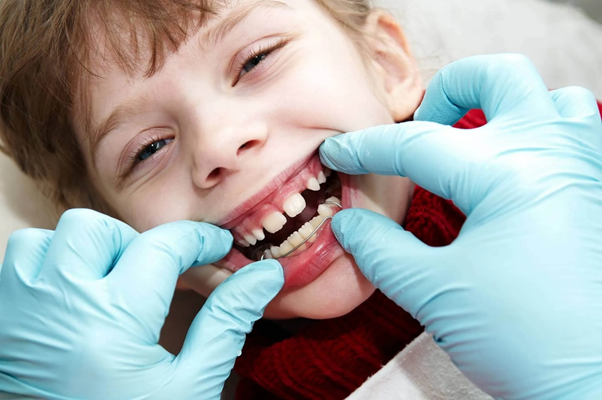
How to Tell If a Child Needs Braces
It has been seen that young children often show early signs where braces could be quite helpful:
- If they are breathing through their mouth or even after the age of 2, continue their habit of thumb-sucking
- Early or late loss of baby teeth
- Visible crowding or crooked teeth.
- Teeth that never meet when the mouth is closed.
The American Association of Orthodontists recommends a check-up at age 7 to identify any potential issues early.

Why Timing Matters
Treatment at an early age can help guide the jaw and teeth, making future treatments easier. Even adults can benefit from proper treatment, but they may not see results immediately.
Therefore, one should not delay their treatment until adulthood, as this may lead to gum disease or uneven tooth wear.
Remember that Braces Are Not Just About Looks
Besides a straighter smile, braces can address:
- Oral hygiene: It is difficult to clean crowded areas, which increases the risk of cavities.
- Jaw health: Correcting bites can reduce the chances of TMJ pain and chewing difficulties.
- Confidence: If someone feels better about their smile, it can impact their social and professional life.
Exploring Your Options
The braces that are available today can go beyond metal brackets.
Choices include:
- Clear aligners for nearly invisible treatment
- Lingual braces are hidden behind teeth
- Self-ligating braces for fewer adjustments.
What are Your Next Steps?
One must immediately consult the dental professionals in case any of the signs discussed above are noticed at any stage. Only a professional orthodontist can suggest whether braces will be right for the patient.
Once you have a healthy smile on your face, it can make a lot of difference in your personality and help you to appear before a public meeting with confidence.