
Digital Patient Intake Systems Transforming Administrative Workflows In Dental Clinics

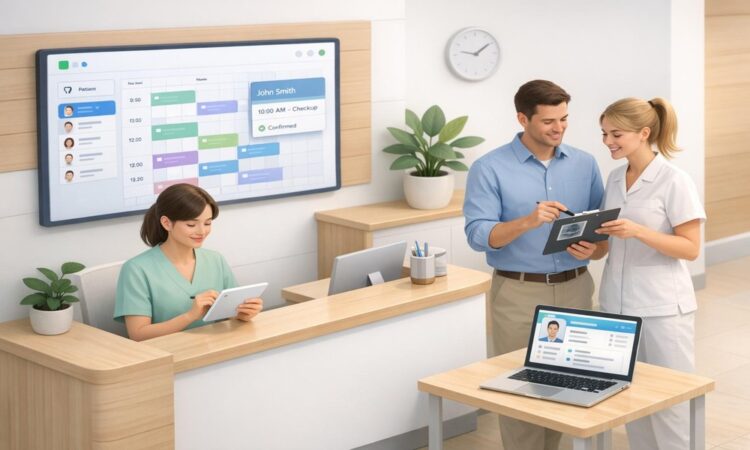
Front desk work is now handled more smoothly with the help of organized systems that guide daily tasks. Many dental clinics are working to cut down paperwork delays while strengthening communication with patients. Team members can manage information more clearly and avoid repeated manual entries that once led to mistakes. This improvement becomes even more effective with the support of an automated dental patient intake system.
Streamlined Patient Data Collection
Clear forms allow staff to gather details before arrival, which reduces waiting time. Organized input ensures correct records are created without repeated corrections. Clinics can maintain consistent information without relying on handwritten entries. This method helps dental teams focus on preparation instead of last-minute data gathering.
Reduced Administrative Workload
Automation reduces repetitive tasks that often slow down front desk teams. Staff can spend more time assisting patients rather than managing forms. Errors decrease as structured entries replace manual writing processes. The automated dental patient intake system supports a smoother workflow and improves task distribution.
Improved Appointment Coordination
Planning appointments becomes more manageable when important details are gathered in advance. Staff can organize visit times using clear and reliable information. Smooth coordination helps prevent mix ups and reduces hold ups during peak periods. This approach ensures timely attention and supports better control over everyday activities.
Enhanced Patient Communication Flow
Patients receive clear instructions about what to prepare ahead of their visit. Notifications and confirmations are handled smoothly through organized systems. Team members can find information instantly and reply without going through multiple records. This creates a more organized interaction that strengthens confidence in the clinic.
Secure Information Handling Methods
Protecting personal records is essential for maintaining trust and reliability. Systems store data safely while allowing controlled access for authorized staff.
- Secure access control prevents unauthorized viewing of sensitive patient records
- Encrypted data storage protects personal details from unexpected security threats
- Regular system updates maintain safety standards and improve data protection
- Backup procedures ensure information remains safe during unexpected system failures
- Role-based access limits data visibility to only necessary staff members
Strong handling of records ensures smooth operations and supports ethical management practices.
Simple Integration With Existing Tools
Modern systems connect easily with other management tools used in clinics. This helps maintain consistency across different processes without duplication. Staff can work within familiar environments while benefiting from improved features. Integration reduces learning time and allows faster adoption among team members.
Better intake processes bring balance to daily operations and reduce stress on staff members. Clinics can improve accuracy while maintaining smooth coordination across tasks. Patients feel more confident when interactions are clear and organized from the beginning. Choosing structured systems helps maintain efficiency and ensures better management of records without confusion.