
From Sedentary to Supported: Dr. Larry Davidson on Tech’s Role in Spine Health Innovation

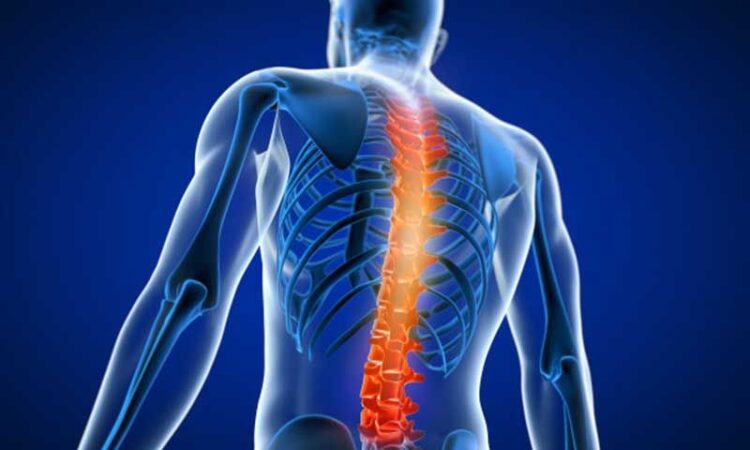
For decades, technology has been blamed for keeping people sedentary. Hours spent at desks, glued to screens or tethered to mobile devices have reshaped how the spine moves and how it doesn’t. But in recent years, innovation has begun to reverse that trend. Instead of limiting movement, new tools are helping users stay aware of posture, break prolonged sitting cycles and incorporate more spinal-friendly habits into daily life. Dr. Larry Davidson, an expert in spinal surgery, recognizes that while clinical interventions remain critical for serious conditions, preventive strategies have become more accessible thanks to technology that encourages consistent movement and alignment.
When used intentionally, these digital tools can create a feedback loop that supports better spinal mechanics. While technology has long been seen as part of the problem, it’s increasingly becoming part of the solution.
Smart Desks and Adjustable Workstations
Fixed desk setups have long contributed to rigid postures that lead to chronic spinal stress. Adjustable desks, once a luxury, are now widely available and increasingly used in offices and home workspaces. These desks promote position changes throughout the day, allowing users to alternate between sitting and standing with ease.
More advanced models now pair with timers or activity-tracking apps that remind users when it’s time to shift posture, take breaks or stretch. These prompts aren’t about avoiding work. They’re designed to reintroduce movement into a space that typically discourages it. Standing alone isn’t the answer, but regular changes in position, coupled with intentional movement, can reduce spinal strain and keep muscles engaged.
Wearable Posture Sensors
One of the most direct applications of technology in spine health is wearable posture sensors. These small, lightweight devices attach to the back or shoulders and monitor alignment in real time. If the user begins to slouch or lean excessively, the device provides gentle feedback through a vibration or smartphone alert.
These systems do more than correct posture at the moment. They build awareness of body mechanics throughout the day, helping users recognize patterns and make lasting changes. The feedback loop they create allows individuals to gradually retrain their postural habits, reinforcing muscular balance and spinal alignment over time. When paired with education and strength routines, these devices support long-term improvements in spinal function.
Mobility Apps and Guided Movement
Stretching and mobility work play a key role in spinal health, particularly for those who spend much of the day in one position. Digital tools have made it easier than ever to access guided routines, with many apps offering customized programs based on age, occupation and movement needs.
From five-minute desk stretches to full-body mobility flows, these apps walk users through movements designed to reduce stiffness, improve joint range, and reinforce muscle activation patterns that protect the spine. Some include video demonstrations, progress tracking and adaptive scheduling based on user input.
These aren’t meant to replace therapy when needed, but for many, they fill the gap between inactivity and structured exercise. They also empower users to stay consistent, one of the most important factors in any spinal wellness program.
AI-Powered Movement Tracking
Camera-based or wearable motion systems are also becoming more accessible to consumers. These tools use real-time motion capture and AI algorithms to assess joint angles, movement patterns and posture during exercise or daily activities.
This data can be used to identify asymmetries or compensation patterns that may lead to spinal strain. More advanced platforms offer real-time correction cues, acting like a virtual coach to ensure safe and effective movement. This level of insight can help older adults reduce fall risk and reinforce spinal stability during daily tasks. For younger users, it provides a way to stay active while minimizing wear and tear.
Voice Assistants and Digital Prompts
Not every spinal health solution involves advanced hardware. Sometimes, simple tools like smartphone reminders, voice assistant timers or even calendar alerts can help reinforce movement habits.
Regularly scheduled nudges to stretch, walk or adjust posture break up long periods of inactivity. Over time, these cues become internalized, reshaping how people approach their workday and their spinal health. While these prompts don’t diagnose or treat, they can powerfully influence behavior change, which is often the hardest part of improving posture or movement.
Accessibility and Inclusion
One of the most promising aspects of these technologies is their growing accessibility. Many posture apps offer free or low-cost versions. Entry-level wearable sensors are now available at consumer price points. Desk converters, once limited to high-end setups, are now widely sold at home-goods stores and online.
This wider reach means more people, regardless of age or fitness level, can use technology to support their spines. Seniors recovering from surgery, remote workers managing tech neck and teens learning healthy posture habits all benefit from the same tools.
Dr. Larry Davidson emphasizes that the more proactive people can be about daily movement, the fewer interventions they may need later. While not every spinal issue can be prevented, supporting healthy habits early and consistently can reduce the long-term impact.
Future Directions
As these tools continue to develop, the next frontier lies in personalization. Many platforms are already using user data to adapt recommendations and predict movement needs before discomfort occurs.
Some developers are exploring integration with wearable fitness trackers to create a full picture of how activity, rest, hydration and stress interact with spinal health. Others are adding gamification to boost engagement and encourage consistent use, critical for lasting results. Newer entries in the field are also focusing on people with limited mobility, offering voice-controlled tools and adaptive content for those recovering from injury or surgery.
Making Movement a Default, not a Reminder
The central idea behind these innovations is simple and focuses on supporting more movement, not less. By creating reminders, enhancing awareness, and offering real-time support, today’s technology can help people move better, not just more often.
What matters most is how these tools are used. Tech should work alongside the body’s needs, not override them. As habits form and awareness builds, these innovations fade into the background, leaving improved movement patterns behind. Spine health is no longer limited to the clinic or the gym. With the right tools and attention, it’s now a daily practice, built into how people work, move and live.