
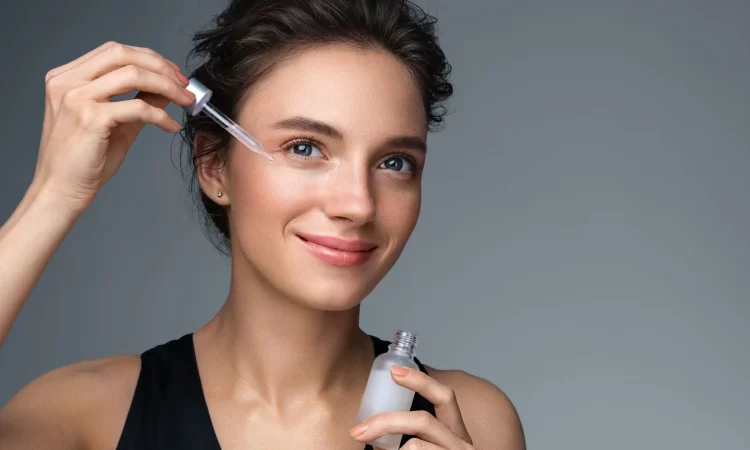
The benefits of cosmetic peptides extend beyond hydration. These short chains of amino acids trigger specific reactions. For an evidence-based look at peptides in beauty science, visit bluumpeptides.com. The beauty industry now puts dozens of peptide varieties into serums and treatments. To select the right product for their skin issue, shoppers need to understand the different types of peptides.
Firmness and elasticity
A skin’s tightness deteriorates if collagen and elastin degrade too quickly. Signalling peptides instruct ageing cells to increase the production of these proteins. Palmitoyl pentapeptide-4 represents one such molecule appearing in numerous anti-aging formulas. Once this peptide enters the skin, it attaches to fibroblast receptors. This attachment activates genes that control the production of structural proteins. Cells respond by building more collagen types I and III, which form the skin’s support framework. Firmness peptide benefits include:
- Tighter texture, particularly along the jawline and neck
- Better resilience when skin gets pressed or stretched
- Less drooping in spots that tend to sag
- Enhanced overall tone and structure
- Younger looking appearance in mature skin
Genuine improvements require patience since collagen builds slowly. Most users need ninety to one hundred eighty days of daily application before observing definite firmness gains. Outcomes differ by age, cumulative sun damage, and general skin condition.
Skin barrier strengthening
A functioning skin barrier holds moisture inside while keeping irritants outside. Harm to this protective layer produces dryness, sensitivity, and swelling. Specific peptides fix and fortify barrier performance through various methods.
- Copper peptides increase glycosaminoglycan production, which are molecules that trap water in skin. They also aid lipid creation, constructing the fatty seal that locks moisture in. Skin with superior barrier function maintains hydration longer between moisturizer uses. It also withstands environmental stress more successfully.
- Antimicrobial peptides provide additional barrier advantages. These molecules naturally occur in healthy skin as immune protection. Applied versions strengthen natural antimicrobial defenses. This could assist people with damaged barriers who experience frequent infections or inflammation.
Pigmentation evening out
Dark patches and irregular tone result from surplus melanin in particular zones. Certain peptides disrupt the biochemical sequence creating melanin. Brightening peptides function through multiple paths:
- Halting melanin creation at the enzyme stage
- Accelerating breakdown of current melanin deposits
- Stopping melanin movement to nearby skin cells
- Shielding against fresh sun damage sparking pigment
- Soothing inflammation that worsens dark areas
Changes emerge gradually as skin sheds pigmented cells naturally and grows lighter replacements. Pairing peptides with other brightening components like niacinamide or vitamin C frequently yields superior outcomes than peptides by themselves.
Inflammation control achieved
Persistent mild inflammation hastens visible ageing and produces ongoing redness. Anti-inflammatory peptides settle excessive immune activity in the skin. Peptides accomplish inflammation management by:
- Blocking inflammatory signal molecules
- Quieting mast cells that discharge histamine
- Limiting blood vessel expansion, causing redness
- Shielding skin cells from inflammatory harm
- Aiding recovery processes following inflammation
These molecules supply milder inflammation management than aggressive chemical components. They perform well in routines for sensitive skin, but are unable to handle typical anti-ageing actives.