
You might be feeling that you are constantly reminding your child to brush, yet every dental visit to your Garden Grove dentist brings another small cavity or another warning about flossing. Or maybe you grew up without much guidance about teeth, and now you are trying to do better for your own family, but you are not sure what “good” really looks like day to day. It can feel exhausting, and a little discouraging, to keep pushing healthy habits when it seems like no one is listening.end
At the same time, you probably sense that what happens now will echo through your child’s adult life. Good habits started early tend to stick. That is exactly where a trusted family dentist can quietly change the story. A good family practice does more than clean teeth. It helps you build simple, steady routines that feel normal at home, so your child grows up seeing oral care as “just what we do,” not a chore or a punishment.
In other words, the goal is not perfection. The goal is a realistic plan that fits your family, backed by a dental team that teaches, encourages, and adjusts with you over time. When that happens, lifelong positive oral hygiene habits stop feeling like a dream and start looking like a series of small, doable choices.
Why do good oral habits feel so hard to build at home?
Think about a typical weekday night. Everyone is tired. Homework is still on the table. You are packing lunches, answering emails, and then you remember. “Teeth.” You call the kids to the bathroom, someone complains that the toothpaste is “gross,” another one insists they already brushed, and suddenly the whole thing feels like a battle you do not have energy for.
The problem is not that you do not care. It is that you are human, and your children are too. Oral hygiene often becomes a power struggle, especially when kids do not understand why it matters or when they have had a scary or painful experience at the dentist in the past. That tension can follow them into adulthood. Many adults quietly carry anxiety or shame about their teeth, which makes it even harder to ask questions or seek help.
There is also the financial side. You might wonder if frequent checkups are really worth the cost. Maybe you think, “We brush at home. Do we really need to go twice a year?” The hard truth is that untreated small problems often turn into bigger, more expensive ones. Yet it is very understandable to hesitate when budgets are tight.
So where does that leave you if you want better habits but feel stretched thin in time, energy, and money?
How does a family dentist change the story for kids and adults?
A good family dentist understands that you are not just bringing in teeth. You are bringing in personalities, fears, schedules, and past experiences. Rather than scolding, the focus is on partnership. A family dental care provider can create a calm, predictable routine that feels safe for children and reassuring for adults.
For example, instead of telling a child “you have to brush or you will get cavities,” a dentist might show them a fun, enlarged model of teeth. They can use a disclosing tablet that colors the plaque, so the child sees exactly what brushing removes. Suddenly the task has a reason and a visual, not just a rule. When a child feels involved and respected, they tend to cooperate more.
For teens, the approach might shift. A dentist can gently connect oral health to things they care about. Fresh breath with friends. A confident smile in photos. Protecting teeth if they play sports. These small reframes turn brushing and flossing into tools for independence rather than chores imposed by adults.
Adults benefit too. Many grown patients never had clear guidance beyond “brush twice a day.” A family dentist can walk through a simple routine, suggest the right toothbrush and toothpaste, and answer questions you might feel embarrassed to ask. You might be shown how to angle the brush along the gumline, or how to use floss picks if traditional floss feels awkward. The goal is to replace guesswork with clarity.
If you want more background, resources from the National Institute of Dental and Craniofacial Research explain basic oral hygiene practices in a very accessible way, which many families find useful between visits.
What does a family dentist actually do to build lifelong habits?
Encouraging healthy oral hygiene routines for life is not about one big talk. It is about many small touches over years. A strong family practice will usually focus on a few key areas.
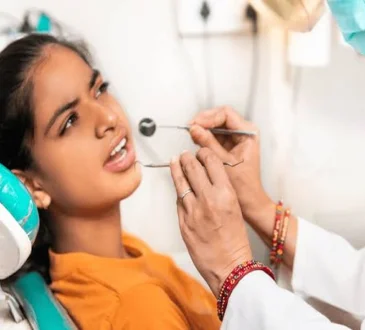
First, they create positive early experiences. For young children, this can mean short, gentle visits where nothing painful happens. The child sits in the chair, rides it up and down, counts teeth, and leaves with a small prize. This builds trust. So when treatment is needed later, the dentist is already a familiar, friendly face.
Second, they adapt education to each age. A five year old, a twelve year old, and a forty year old do not need the same conversation. A family dentist will talk about snacks and juice with parents of toddlers, about soda and energy drinks with teens, and about gum health, dry mouth, or restorations with adults. Everyone gets what is most relevant to them.
Third, they support you at home. Many practices send home printed tips, brushing charts, or links to videos. Some tie education into national efforts like National Children’s Dental Health Month campaigns, which can give you seasonal reminders and fun themes to use with your kids.
Because of this steady guidance, families often find that oral care slowly shifts from stressful reminders to simple routines that mostly run on their own.
Is it really worth seeing a family dentist regularly compared to “doing it yourself” at home?
You might be wondering if strong home care is enough on its own. After all, you can buy good toothpaste, floss, and even whitening products at the store. So how much difference does a family dentist really make over time?
The comparison below can help you see the tradeoffs more clearly.
| Approach | What it looks like | Benefits | Limitations |
|---|---|---|---|
| Home care only | Brushing and flossing at home, no or rare dental visits | Lower short term costs. Flexible timing. No travel or appointments. | Hidden problems can grow unnoticed. No professional cleanings. Harder to correct poor technique. |
| Irregular dental visits | Seeing a dentist only when there is pain or a visible problem | Some professional help when issues arise. Occasional education. | Often higher long term costs because treatment is urgent. Visits feel stressful. Habits rarely stick. |
| Regular family dentist partnership | Consistent checkups, cleanings, and age based education for the whole family | Early detection of problems. Ongoing coaching. Calmer visits. Stronger habits for children and adults. | Requires planning and some ongoing cost. Needs a bit of scheduling effort. |
When you look at it this way, a steady relationship with a family dentist functions like preventive maintenance. A little time and money now protect you from sudden, painful, and expensive surprises later. Just as important, it gives your children a model of normal, steady care instead of crisis driven visits.
What can you do this week to support lifelong oral hygiene habits?
You do not have to overhaul everything at once. A few focused steps can start shifting your family’s routines in a more confident direction.
1. Create a simple, shared brushing routine
Pick two fixed times each day for brushing. For many families, right after breakfast and right before bed work well. Make it a “family habit,” especially for younger children. Brush your own teeth at the same time they do, even if you brush again later. Kids copy what they see. Use a timer or a favorite two minute song so everyone brushes long enough without constant nagging.
If flossing feels overwhelming, start small. Choose three nights a week instead of every night, and focus on doing it well. Once it feels normal, you can add more days.
2. Partner with a family dentist and share your real concerns
When you schedule your next visit, be honest about what is hard at home. Tell the dentist or hygienist if your child refuses to brush, if you are unsure about your own technique, or if budget is a concern. A good family dentist will not judge you. They will help you find realistic options, such as spreading out treatment, focusing on the most urgent issues first, or suggesting lower cost tools that still work well.
Ask them to show your child how to brush and floss using mirrors and models. Kids often listen differently to another adult, especially in a setting that feels special and calm.
3. Make small changes to snacks and drinks
Habits are not just about brushing. They are also about what touches teeth all day long. You do not have to ban all treats. Instead, try to limit frequent sipping on sugary drinks or constant snacking. Offer water between meals. Keep sweets closer to mealtimes, when there is more saliva and you are more likely to remember to rinse or brush afterward.
Involve your children in the choices. You might ask, “We need one snack that is kind to our teeth. Do you want cheese and crackers or apple slices and peanut butter?” Ownership helps cooperation, and it connects food choices to health in a calm, practical way.
Moving forward with more confidence and less guilt
You do not have to be the perfect parent or the perfect patient to build strong oral hygiene habits that last. You only need a clear direction and a partner who understands that real families are busy, imperfect, and trying their best. With steady support from a caring family dentist, small daily routines can add up to fewer cavities, less stress in the dental chair, and children who grow into adults that care for their own smiles without fear or confusion.
As you think about your next step, remember that every new habit starts with a single choice. One consistent brushing time. One honest conversation at your next visit. One small change in snacks. Over time, these choices shape the kind of oral health story you and your family get to tell.