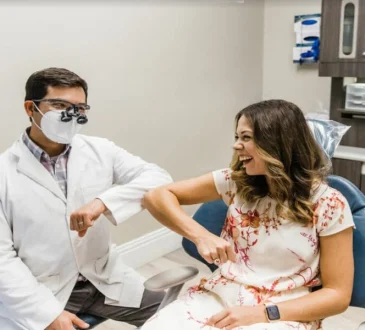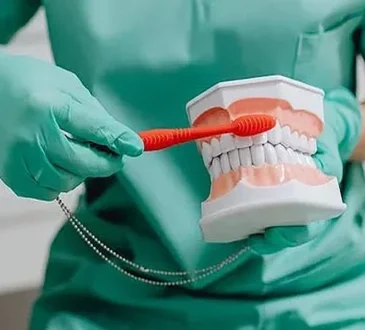

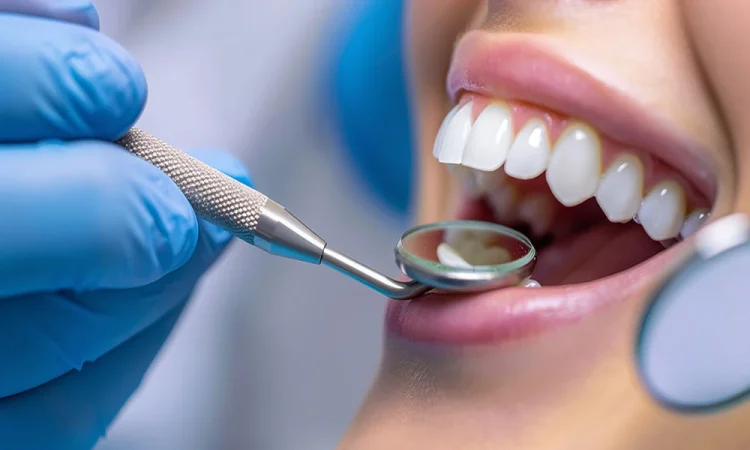
You brush, you try to remember flossing, and then life gets busy. A child says their tooth feels “funny,” a parent keeps putting off a cleaning, and before long a small issue turns into a painful one. That is the pattern many families know too well. Dental problems rarely show up all at once. They build quietly, which is why preventive care matters so much in a family dental practice, especially when treatments like porcelain crowns in San Diego may later become necessary.
The goal is simple. Catch problems early, lower the risk of pain and infection, and keep treatment smaller, easier, and less expensive. The role of preventive care in family dentistry services is not just about clean teeth. It is about protecting your time, your budget, and your peace of mind while helping every member of your household build habits that last.
Preventive family dentistry reduces avoidable dental problems
You may already know the cycle. Someone skips a routine visit because nothing hurts. Months pass. Then a cavity deepens, gums get inflamed, or a cracked tooth becomes impossible to ignore. At that point, treatment is no longer a quick polish and exam. It can mean fillings, crowns, extractions, or emergency care.
That is where preventive dental care for families changes the story. Regular exams, cleanings, fluoride treatments, sealants for children when needed, and early X rays help a family dentist spot concerns before they become bigger and more expensive. Gum disease, tooth decay, bite issues, and grinding often start with signs that are easy to miss at home. A trained eye sees what a mirror does not.
Children benefit early because baby teeth hold space for adult teeth and support speech and eating. Adults benefit just as much. Gum disease can progress quietly, and worn enamel does not grow back. Older adults may also deal with dry mouth, medication side effects, and restorations that need monitoring. Preventive visits create a steady record of your oral health over time, which makes changes easier to catch.
If you want trusted day to day guidance, the CDC offers practical oral health tips for adults, and parents can review the CDC’s oral health tips for children for age based care.
Family dentistry services support health, comfort, and household routines
Dental pain affects more than a tooth. It disrupts sleep, school, work, meals, and mood. A child with tooth pain may stop chewing on one side or become irritable without knowing why. An adult with bleeding gums may ignore it out of embarrassment until the problem becomes harder to treat. That stress adds up, especially in a busy home.
Preventive oral care in family dentistry helps reduce those disruptions. It gives you a routine instead of a scramble. You know when visits are due. You get reminders about home care. You have one place tracking changes over time. That consistency matters because oral health is tied to overall health, including comfort with eating, speaking, and daily confidence.
A family dentist also helps tailor prevention to real life. A child with braces needs different cleaning support than a grandparent with dentures. Someone prone to cavities may need more fluoride. Someone who grinds their teeth at night may need a mouthguard before damage gets worse. Prevention is not one size fits all. It works best when it reflects the habits, risks, and ages within your household.
For broader patient education on common conditions, treatments, and home care, MedlinePlus provides reliable dental health information.
Preventive care often costs less than delayed treatment
Many families postpone care because they worry about cost. That concern is real. The problem is that delaying simple care often leads to more treatment, more appointments, and more expense. A cleaning and exam are usually far easier on your budget than a root canal or crown. The same goes for treating early gum inflammation before it turns into advanced periodontal disease.
| Situation | Preventive Approach | If Delayed | Likely Impact |
|---|---|---|---|
| Early plaque buildup | Routine cleaning and home care review | Hardened tartar and gum inflammation | More discomfort, deeper cleaning, higher cost |
| Small cavity | Exam and filling | Decay reaches the nerve | Pain, root canal, crown, or extraction |
| Child at risk for molar decay | Sealants and fluoride | Cavities in back teeth | Restorative treatment and missed school time |
| Night grinding | Early evaluation and mouthguard | Tooth wear, cracks, jaw soreness | Repair work and chronic discomfort |
This is one reason many people look for a family dentist they can return to consistently. The relationship itself supports prevention. When records are current and appointments stay on schedule, changes stand out sooner and treatment stays more manageable.
Simple steps make preventive dentistry services more effective
1. Book routine visits before there is a problem.
Put exams and cleanings on the calendar the way you handle school forms or annual checkups. Waiting for pain usually means the issue has already progressed. If your household has a history of cavities or gum concerns, ask whether more frequent visits make sense.
2. Match home care to each person’s needs.
A teenager with braces, a child learning to brush, and an adult with sensitive gums do not need the exact same routine. Use fluoride toothpaste, replace worn toothbrushes, floss daily, and ask your dentist about sealants, rinses, or special tools if standard brushing is not enough.
3. Treat small warning signs as early signals.
Bleeding gums, bad breath that lingers, sensitivity to cold, white spots on teeth, jaw soreness, and changes in chewing are worth attention. These signs may look minor, but they often point to issues that respond best when caught early.
Preventive care gives your family more control
You cannot control every dental issue, but you can lower the odds of pain, surprise costs, and urgent treatment. That is the real value of prevention. It keeps care steady, catches problems earlier, and helps your family move through daily life with fewer disruptions.
If your household has fallen behind on routine care, you are not alone, and you do not need to solve everything at once. Start with one appointment and rebuild from there. A trusted family dentist can help you set a realistic plan for cleanings, exams, and home habits that fit your family’s needs.