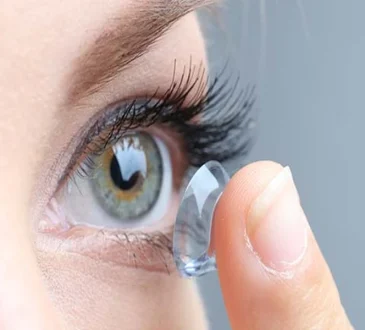
Contact Lenses Price in India: What Each Lens Type Costs, Fitting Fees and When Lenses Cost More

Why does one person pay Rs 800 a month for lenses while a friend pays Rs 4,000? The answer lies in the type of lens, the complexity of the prescription, and whether the lens is an off-the-shelf product or something custom-made for an irregular cornea. This guide walks through the main lens categories, indicative price bands in India, the fitting and follow-up fees that are easy to overlook, and the situations where lenses legitimately cost more.
The main types of contact lenses
Daily disposables
Soft lenses worn once and thrown away. No cleaning, no solution, lowest infection risk. Ideal for occasional wearers and allergy sufferers; highest cost per day if worn daily.
Fortnightly and monthly lenses
Soft lenses reused for two or four weeks with nightly cleaning. The most economical choice for daily wearers. Silicone hydrogel versions allow more oxygen through and suit long wearing hours and air-conditioned offices.
Toric lenses
Designed for astigmatism, with a weighted or shaped design that keeps the lens oriented correctly. Available as daily, fortnightly and monthly options, at a premium over spherical lenses.
Multifocal lenses
For people over 40 who need both distance and near correction. More expensive and need a careful fit.
Rigid gas-permeable (RGP) lenses
Small, hard lenses that last a year or more. Sharper optics than soft lenses, used for high astigmatism and mild keratoconus. Need an adaptation period of one to two weeks.
Scleral and hybrid lenses
Specialty lenses for irregular corneas. Scleral lenses are large and vault over the cornea; hybrids have a rigid centre and soft edge. These are custom-made and fitted by practices with specific training, such as those handling keratoconus patients.
Cosmetic coloured lenses
Tinted lenses that change or enhance eye colour, available with or without power. Because they sit on the eye like any other lens, they should be fitted and bought from an eye care practice rather than a cosmetics counter. A practice offering cosmetic coloured contact lenses will check fit and give the same hygiene instructions as for a regular lens.
Indicative price ranges in India
Prices vary by brand, city, retailer and prescription. The table gives approximate ranges for widely available brands; the figure for your own prescription comes from the clinic or optician.
| Lens type | Approximate cost (INR) |
|---|---|
| Daily disposables (box of 30, one eye) | 900 – 2,500 |
| Monthly spherical (box of 6, three months for both eyes) | 1,200 – 3,500 |
| Monthly silicone hydrogel (box of 6) | 1,800 – 4,500 |
| Toric monthly (box of 6) | 2,000 – 5,000 |
| Multifocal monthly (box of 6) | 2,500 – 6,000 |
| RGP lens (per lens, lasts about a year) | 3,000 – 8,000 |
| Hybrid lens (per lens) | 6,000 – 15,000 |
| Scleral lens (per lens) | 15,000 – 40,000 |
| Cosmetic coloured lenses (per pair, monthly) | 500 – 3,000 |
| Cleaning solution (per month) | 300 – 700 |
Worked out per month, a daily-wearing adult using monthly spherical lenses typically spends about Rs 700 to Rs 1,800 including solution, while daily disposables worn every day cost roughly Rs 1,800 to Rs 5,000 a month. Looking at the contact lenses price per year rather than per box makes the comparison between types clearer.
Fitting fees: the part people forget
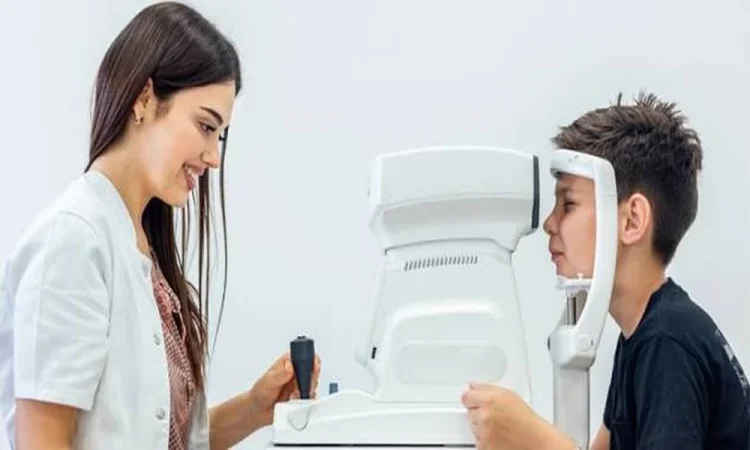
A contact lens is a medical device sitting on living tissue, so the first prescription involves more than copying your glasses power:
- Eye health check: cornea, tear film and lids are examined to confirm lenses are safe for you.
- Measurements: corneal curvature (keratometry or topography) and diameter decide the lens base curve and size.
- Trial lenses: you wear a diagnostic lens for 20 to 30 minutes so fit, movement and vision can be assessed.
- Teaching session: insertion, removal and cleaning are taught and practised.
- Follow-up: a review after one to two weeks to confirm the cornea is tolerating the lens.
Indicatively, a soft lens fitting including trial and teaching costs Rs 500 to Rs 2,000 at most Indian practices, while a specialty fitting (RGP, scleral, hybrid) can cost Rs 3,000 to Rs 10,000 because of the multiple trial visits involved. This fee is separate from the lens itself.
When lenses cost more, and why
- High or unusual powers (above about −10.00 or +6.00, or cylinder above −2.75) often need made-to-order lenses with longer delivery times and higher cost.
- Astigmatism plus presbyopia needs multifocal toric designs, among the most expensive soft lenses.
- Keratoconus, post-LASIK ectasia or corneal scars require specialty lenses; the price reflects custom manufacture and multiple fitting visits, but these lenses frequently provide vision that nothing else can.
- Dry eye may mean switching to daily disposables or lenses with higher water retention, raising the monthly spend.
Hygiene rules that protect your eyes and your money
Most lens-related infections come from poor hygiene rather than the lens itself, and corneal infections can threaten sight, so these rules are not optional:
- Wash and dry hands before touching lenses.
- Never rinse lenses or cases in tap water, and never swim or shower in them.
- Replace solution daily; do not top up.
- Replace the case every three months.
- Stick to the replacement schedule; a “monthly” lens worn for three months is a false economy.
- Remove lenses and see a doctor the same day if you have pain, redness, light sensitivity or sudden blur.
Buying sensibly
Once fitted, it is reasonable to compare a contact lens price across the clinic, opticians and online stores for the identical brand and parameters, but keep the annual check-up with the practice that fitted you.
The contact lenses price you eventually pay is only part of the equation; a lens that fits correctly, is replaced on time and is checked annually costs far less over a lifetime than one that leads to an infection.
Disclaimer: This article is for general information only and is not a substitute for medical advice. Please consult a qualified eye doctor or optometrist before starting or changing contact lens wear.