
Professional Massage Techniques Address Different Areas Of Everyday Body Tension

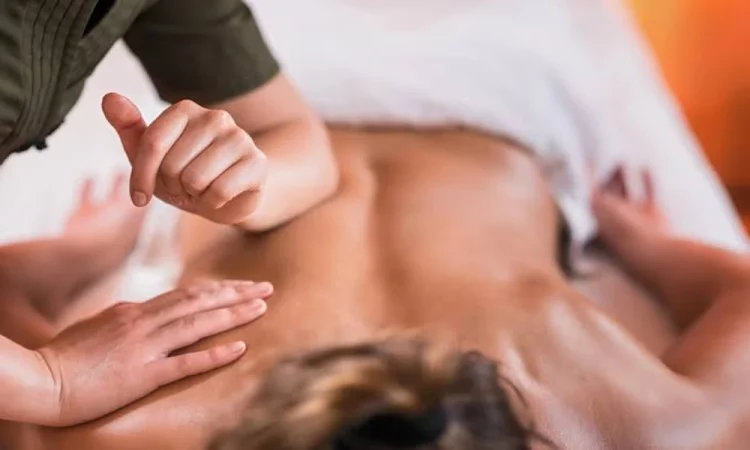
Daily routines place different demands on muscles, joints, and connective tissue. Desk work tightens shoulders, while prolonged standing strains calves and feet. Choosing spa massage in bangkok can help address these patterns through targeted pressure, stretching, and rhythmic movements. Each technique serves a distinct purpose, from easing localized stiffness to supporting broader relaxation. Understanding these differences helps match treatment methods with physical needs, comfort levels, and everyday activities.
Swedish Massage Relaxes Overworked Muscles
Long working hours can leave muscles feeling heavy. Swedish massage uses flowing strokes and gentle kneading. These movements encourage relaxation while easing everyday muscular discomfort. For office workers, broad strokes across the upper back can soften accumulated shoulder tightness. Pressure remains adjustable, making this approach suitable for relaxation-focused sessions.
Deep Tissue Targets Persistent Stiffness
When tension settles into deeper muscle layers, focused pressure may help. Deep tissue techniques work through slower, firmer strokes. The therapist concentrates on specific areas rather than sweeping across the body.
Common treatment areas include:
- Tight lower-back muscles after prolonged sitting.
- Shoulder knots linked with repetitive desk work.
- Stiff thighs following strenuous physical activity.
- Overworked calves after extended periods standing.
Firm pressure should remain tolerable, never sharply painful.
Could Trigger Point Therapy Ease Knots?
Certain tight spots can produce discomfort beyond their immediate location. Trigger point therapy applies focused pressure to these sensitive muscle areas. A therapist may target the upper trapezius near the shoulder. Releasing tension there can ease local tenderness and restricted movement. However, persistent pain needs proper assessment before treatment.
Thai Massage Supports Flexible Movement
Traditional Thai massage combines assisted stretching, compression, and guided positioning. This approach addresses stiffness linked with restricted movement. During spa massage in bangkok, clients can explore Thai techniques suited to their flexibility and comfort. Practitioners may gently extend the hips, rotate the shoulders, or stretch the legs. Intensity should reflect individual mobility and physical limitations.
Which Technique Suits Different Body Areas?
Matching a method to the affected area helps guide treatment. Each technique serves a different purpose, depending on discomfort and activity.
- Neck: Gentle kneading can ease muscular tightness.
- Lower back: Moderate pressure may relieve muscle soreness.
- Feet: Focused compression targets tired arches and soles.
- Legs: Sports massage supports recovery after demanding exercise.
- Forearms: Light friction may ease repetitive-use muscle tension.
No single method suits every condition.
Small Treatment Choices Shape Comfort
Before booking, clients should describe their daily activities and specific concerns. A skilled therapist can adjust pressure, positioning, and session duration. Deep pressure is not automatically more effective than gentle touch. People with injuries, clotting risks, or certain medical conditions should seek professional advice first. Massage may offer relief, but results vary.
FAQs
1. Which massage works best for shoulder tension?
Swedish massage suits general tightness and relaxation. Trigger point techniques may help with localized muscular knots.
2. Is deep tissue massage suitable for everyone?
No. Firm pressure may aggravate certain injuries or medical conditions. A therapist should assess individual needs before beginning.
3. Can Thai massage help with stiffness?
Yes, assisted stretching may support flexibility and movement. Techniques should match the client’s mobility and comfort.
4. How often should someone receive a massage?
Frequency depends on personal goals, symptoms, and response. Persistent or worsening pain warrants medical assessment.


