
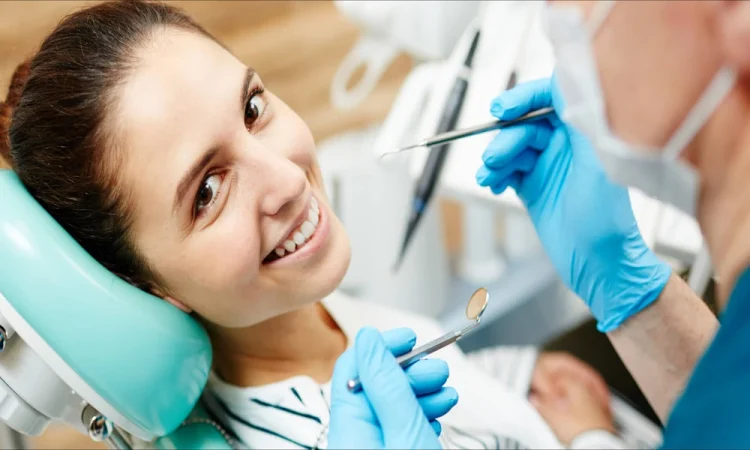
You brush, you floss when you can, and maybe you tell yourself that a little bleeding when you spit is not a big deal. A sore tooth gets pushed down the list because work is busy, money is tight, or you just do not want one more appointment to manage. That is common, and it is also where small oral problems start affecting much more than your smile. Seeing a dentist in Columbia MO can help you address these issues before they become more serious.
The role of general dentistry in supporting overall health is simple to understand once you see the connection. Your mouth is not separate from the rest of your body. Gum disease, untreated decay, dry mouth, infection, and chronic inflammation can affect how you eat, sleep, speak, and function day to day. Good dental care helps catch those issues early, lowers the chance of bigger problems, and supports your health in ways people often miss until something hurts.
General dentistry supports whole body health every day
Routine dental care is not only about clean teeth. A general dentist checks for cavities, gum disease, worn fillings, bite issues, mouth sores, and signs of infection. Those problems can build slowly, and many of them do not cause obvious pain at first. You can feel fine and still have inflammation in your gums or a crack in a tooth that turns into an emergency later.
The research around the mouth body connection keeps growing. The National Institute of Dental and Craniofacial Research explains the link between a healthy mouth and a healthy body, including how oral health can relate to conditions such as diabetes and heart disease. That does not mean every dental problem causes a medical condition, but it does mean your oral health matters far beyond appearance.
This is where oral health and overall wellness become part of the same conversation. If your gums are inflamed, chewing can become uncomfortable. If chewing is hard, your diet often changes. If you avoid certain foods, your nutrition can slip. If pain wakes you up at night, your mood and focus suffer the next day. One issue in the mouth can start a chain reaction you feel everywhere else.
Small dental problems often turn into bigger health burdens
A lot of people wait because the problem seems manageable. A little sensitivity. A filling that feels slightly off. Gums that bleed only sometimes. Then the tooth cracks, the gum infection spreads, or the pain gets bad enough to send you to urgent care. What looked like a minor issue becomes more expensive, more invasive, and much harder to fit into your life.
The CDC’s overview of oral health and its impact points out that cavities and gum disease are common, and they can affect eating, speaking, learning, and working. That lands differently when you think about real life. A parent with a toothache may struggle to sleep and still has to get kids out the door. An older adult with missing teeth may avoid healthy foods because they are too hard to chew. A teen who feels embarrassed about visible decay may stop smiling in photos and class presentations.
Preventive dental care lowers the chance of those spirals. Cleanings, exams, X rays, fluoride, and timely treatment do not just protect teeth. They protect your time, your comfort, your budget, and your ability to keep up with daily life.
General, cosmetic, and restorative dentistry each play a health role
General, cosmetic, and restorative dentistry often overlap more than people realize. General dentistry focuses on prevention, diagnosis, and routine treatment. Restorative care repairs damage with fillings, crowns, bridges, implants, or dentures so you can chew properly and avoid further breakdown. Cosmetic treatment can improve appearance, but it also supports confidence, speech, and social comfort when discoloration, chips, or uneven teeth have started affecting how you carry yourself.
The NIH oral and dental health resource explains that oral and dental health is part of your general health, not an extra. That matters when people think dentistry is only worth prioritizing if something looks bad. Many issues that seem cosmetic at first, like worn teeth or shifting teeth, can point to grinding, bite imbalance, or damage that needs attention.
Delaying care usually costs more in every sense
| Situation | Early Dental Care | Delayed Dental Care |
|---|---|---|
| Small cavity | Simple filling, shorter visit, less discomfort | Larger decay, root canal or crown, higher cost |
| Mild gum inflammation | Cleaning, home care changes, monitoring | Periodontal treatment, bone loss risk, possible tooth mobility |
| Chipped or cracked tooth | Bonding or crown before deeper damage | Infection, severe pain, extraction risk |
| Missing tooth | Planned restoration supports chewing and alignment | Shifting teeth, bite strain, harder future treatment |
Most people do not delay because they are careless. They delay because life is full, dental anxiety is real, and cost can feel heavy. The problem is that teeth do not heal the way a scraped knee does. Once decay, fracture, or gum disease starts, it usually progresses until treatment steps in.
Three steps you can take right away
1. Pay attention to early signs. Bleeding gums, bad breath that stays, sensitivity, jaw soreness, dry mouth, and pain when chewing all deserve attention. You do not need to wait for severe pain to call.
2. Get back to routine care. If it has been a while, schedule an exam and cleaning. A baseline matters. Even if you expect to hear that you need work, knowing what is going on is better than guessing and hoping.
3. Ask for a clear treatment plan. If you need care, ask which issues are urgent, which can be phased, and what options fit your budget. Good dentistry is not just about treatment. It is about making care manageable enough to follow through.
Supporting your health starts with your mouth
The connection between your teeth, gums, and the rest of your body is real, and it affects daily life more than most people expect. Routine exams, timely restorative care, and thoughtful cosmetic treatment can help you eat better, sleep better, avoid pain, and protect your long term health.
If you have been putting off dental care, you are not alone, and you do not need to wait for things to get worse. Reach out to schedule a visit and take the first step toward stronger oral health and better overall well being.